We all know there have been immigration scam agents for decades whose lies thrive on social media, so imagine they create assistance with purposeful wrong information but slickly trained to seem legit. Indeed, AI bots on the next level up in immigration exploitation.
From faulty immigration bots giving incorrect visa advice to deepfake videos spreading fabricated stories about Australia’s border policies, AI-powered misinformation is fueling confusion and leading vulnerable migrants to make costly, irreversible mistakes. Migrants must exercise extreme caution when using AI tools to navigate Australia’s immigration process.
AI Migration Chatbots: The Promise and the Problem
AI-powered chatbots are quickly becoming a go-to tool for visa applicants, offering rapid guidance at little to no cost. Some are specifically designed to help individuals navigate Australia’s migration system, providing advice on visa pathways and eligibility requirements. While the idea is promising, many experts are sounding the alarm over the high stakes of incorrect immigration advice.
The Risks of AI Immigration Bots
While some AI models attempt to follow Australian migration law, many of them:
- Provide outdated information that doesn’t reflect the latest policy changes.
- Make incorrect visa recommendations, leading migrants to apply for visas they are not eligible for.
- Fail to account for complex migration laws, leaving applicants in vulnerable situations.
- Bypass Australia’s legal requirements—only registered migration agents are allowed to provide migration advice, yet these bots circumvent these protections.
One alarming case exposed a migration chatbot that incorrectly advised a user that they were eligible for a state-nominated visa, despite official Australian government policy stating otherwise. The financial consequences of following such misleading guidance could be devastating, leading to wasted money, rejected visa applications, and even long-term immigration bans.
AI-Generated Misinformation
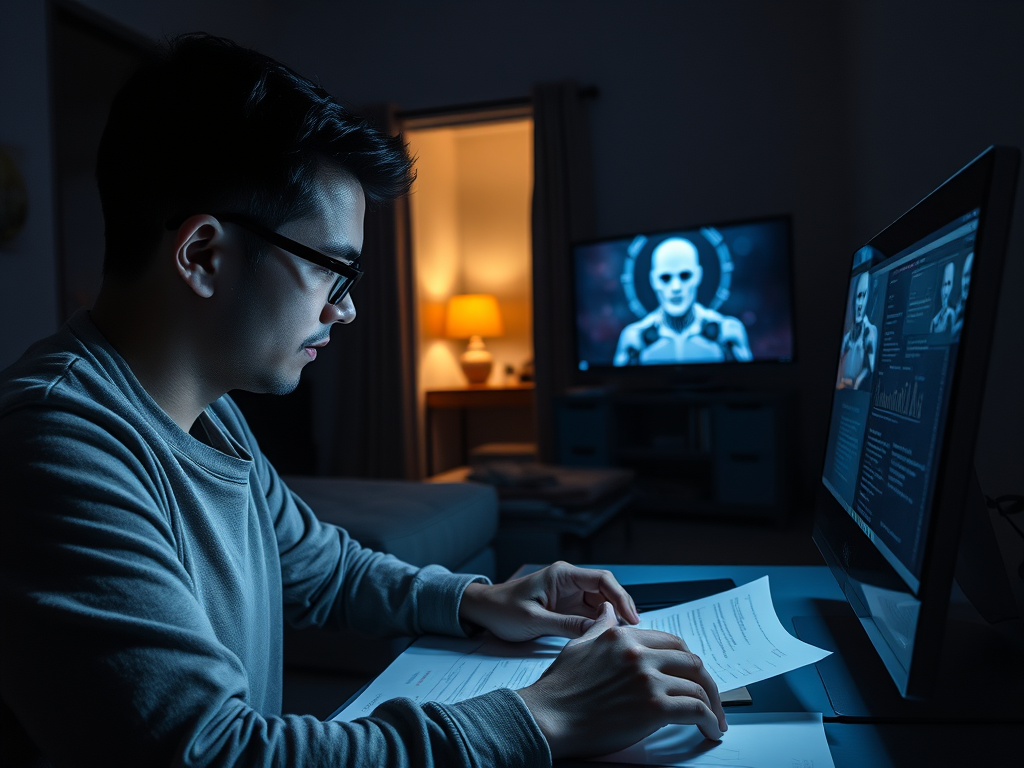
Easier and more convincing to produce, AI-generated misinformation and deepfake videos that distort public perceptions of immigration in Australia.
The Rise of AI-Powered Fake Immigration Narratives
Deepfake technology, which creates fabricated videos indistinguishable from reality, is being used to spread false stories about immigration enforcement. Videos have emerged online depicting events that never actually happened, placing fabricated statements in the mouths of public officials, and exaggerating border control practices.
How Deepfakes Are Manipulating Public Perception
Some doctored videos show real footage of immigration enforcement activities, but through deceptive editing, create false impressions that do not accurately represent reality. For example:
- A video might capture a single moment of force used by Australian border officials, yet omit context, leading viewers to believe widespread brutality exists.
- Selectively edited clips mislead migrants, causing fear or misunderstanding about visa restrictions.
- AI-generated misinformation is being weaponized to influence immigration debates, potentially impacting government policies in ways that harm migrants.
Migrants must be aware that not all information found online is real, especially when AI-generated media is involved. The consequences of trusting deepfake misinformation could range from fear-driven migration decisions to policies built on falsehoods.
What Migrants Can Do to Protect Themselves
Migrants must approach AI-powered immigration resources with extreme skepticism. Here are essential steps to avoid costly mistakes:
1. Rely on Official Sources
Always verify visa information through official Australian government sources, such as:
Never trust an AI chatbot as your primary immigration advisor—only government-approved agencies or registered migration experts can provide reliable guidance.
2. Be Wary of AI-Generated Immigration Videos
When encountering immigration-related videos on social media:
- Check the original source—is it a government agency, accredited news outlet, or verified migration lawyer?
- Look for inconsistencies—deepfake technology may alter faces, voices, and movements in subtle ways.
- Search for fact-checking resources—organizations combatting misinformation often debunk viral AI-generated videos.
3. Avoid Migration Scams
AI-powered misinformation is fueling scams, where fraudulent migration agents charge migrants thousands of dollars based on fake visa promises. Beware of individuals claiming to guarantee visa approvals—if an offer sounds too good to be true, it probably is.
4. Consult Registered Migration Agents
Only registered migration professionals have the legal authority to give personalized visa advice. Before consulting an expert:
- Check their MARA registration (Migration Agents Registration Authority).
- Read client reviews and success stories.
- Avoid unofficial “immigration advisors” on social media—they may be operating illegally.
 IELTS & PTE TUTORING & COSULTANCY
Leave a comment